A scholar who never stopped teaching. From Head of Mathematics to PhD researcher, I bring academic rigour and a genuine commitment to each pupil's progress across every session.
After tutoring throughout college and university, I became a teacher upon graduating, teaching Maths and History before being promoted to Head of the Maths Department. When the opportunity arose to pursue a PhD, I returned to academia, but I have never been able to leave teaching behind.
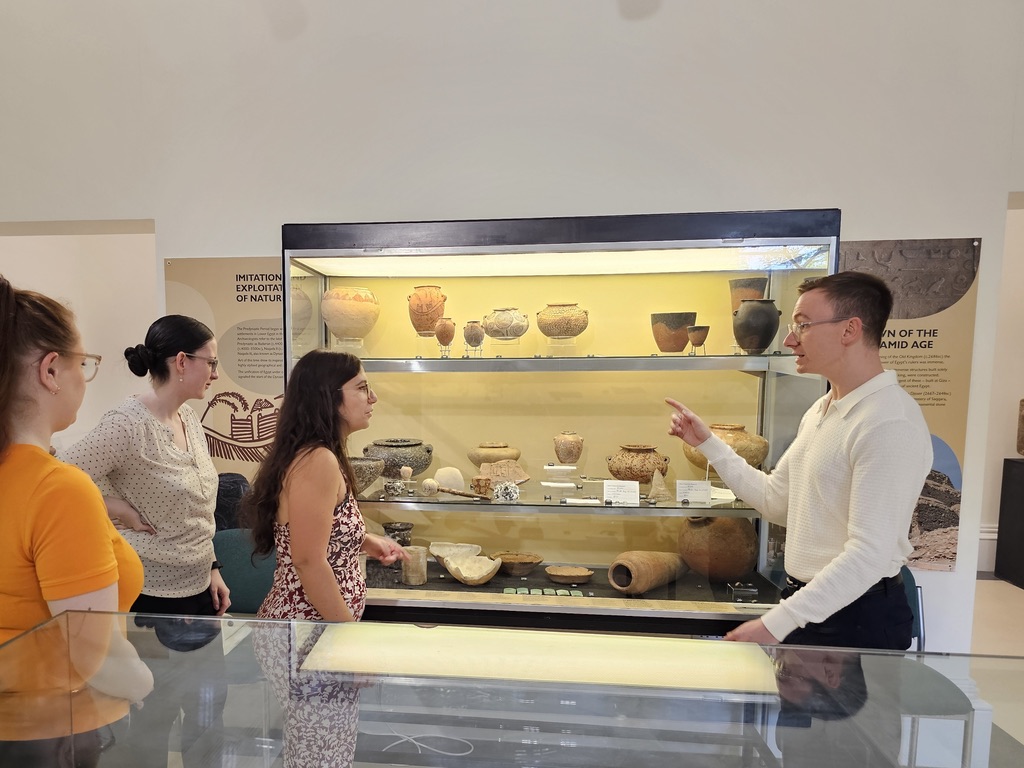
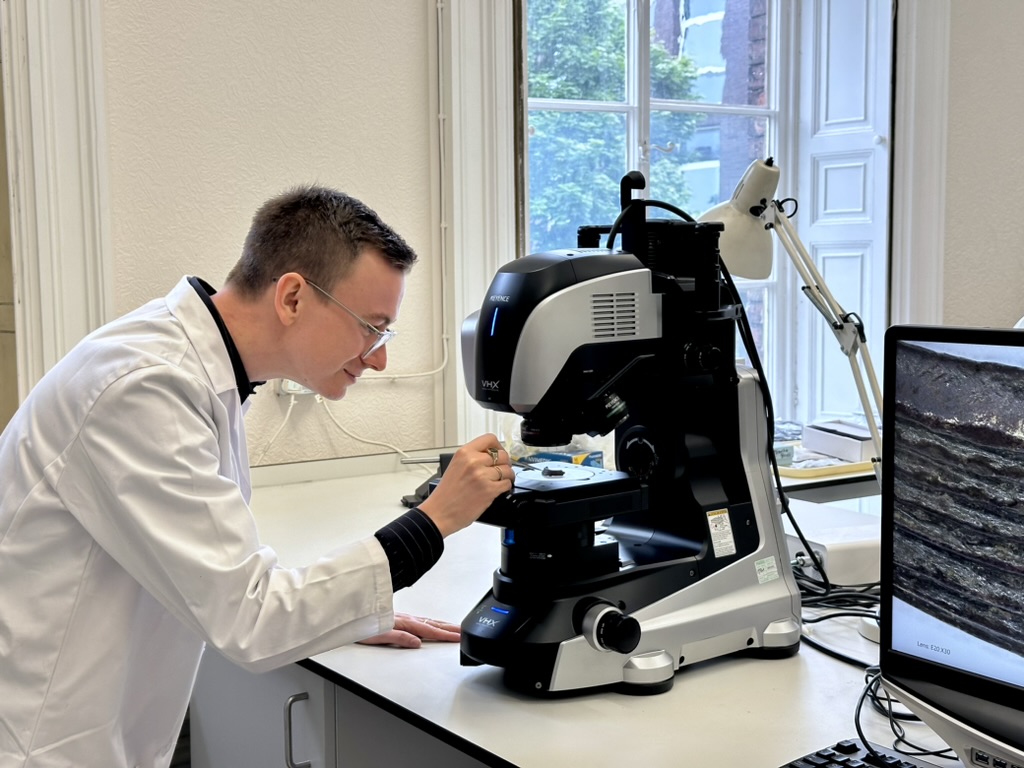
Now, as a historian turned archaeological scientist, I continue to teach both within the university and privately. My doctoral research in Scientific Archaeology sits at the intersection of the Humanities and Sciences, bringing together history, literature, biology, chemistry, physics, and mathematics.
I teach at the University of Liverpool and the University of Manchester, and my work involves collaboration with institutions including the British Museum and the University of Oxford. My research has been published in peer-reviewed journals and featured in national museum exhibitions.
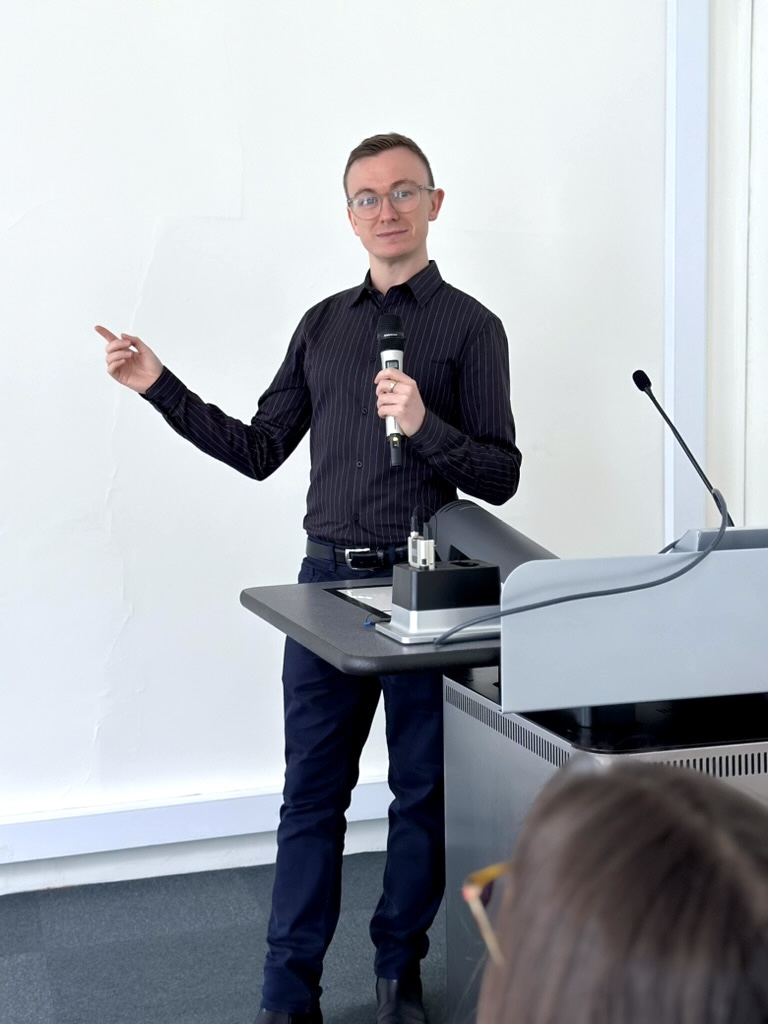
I have taught pupils aged 3 to 70. Every pupil is different, and I take the time to understand each one so I can support them in a way that works for them.
Some of my students have been with me for eight years, starting in primary school and continuing into secondary education. These pupils now lead their classes, and the depth of understanding we have built together over time is something no short-term arrangement can replicate. I know how they think, where their habits lie, and how to push them forward without losing their confidence.
After older siblings have completed their courses and moved on, I have regularly been asked to teach their younger brothers and sisters. This speaks to the trust families place in me. It also helps: I understand the family dynamic, the expectations, and the home learning environment before the first lesson even begins.
Online sessions eliminate the need for travel, allowing lessons to fit into a busy family schedule. Students can learn from the comfort of home, saving time that would otherwise be spent commuting to a tuition centre or sitting in traffic.
Geography is no longer a barrier to high-quality education. Students can connect with a tutor who matches their academic needs and learning style, regardless of where they are located. The focus remains on finding the best educational fit rather than the closest one.
The use of interactive whiteboards, screen sharing, and collaborative documents creates a dynamic learning environment. Tutors can share high-quality diagrams, exam papers, and video content instantly, making complex topics easier to visualise and understand.
One of the most significant advantages of online learning is the ability to record lessons. Students can revisit specific explanations or difficult concepts at their own pace, providing a valuable resource for exam preparation and reinforcing classroom learning.
Many students feel more relaxed and confident in their own surroundings. This familiar setting can reduce academic anxiety, encouraging pupils to ask more questions and engage more deeply with the material than they might in a formal classroom or an unfamiliar office.
By engaging in online tuition, students build essential digital skills. Mastering video conferencing tools and digital collaboration platforms prepares them for the modern requirements of university and professional life.
Without the travel costs associated with in-person visits, online tuition is often a more economical choice. The time saved by avoiding a commute can be redirected into extra study, extracurricular activities, or essential rest.