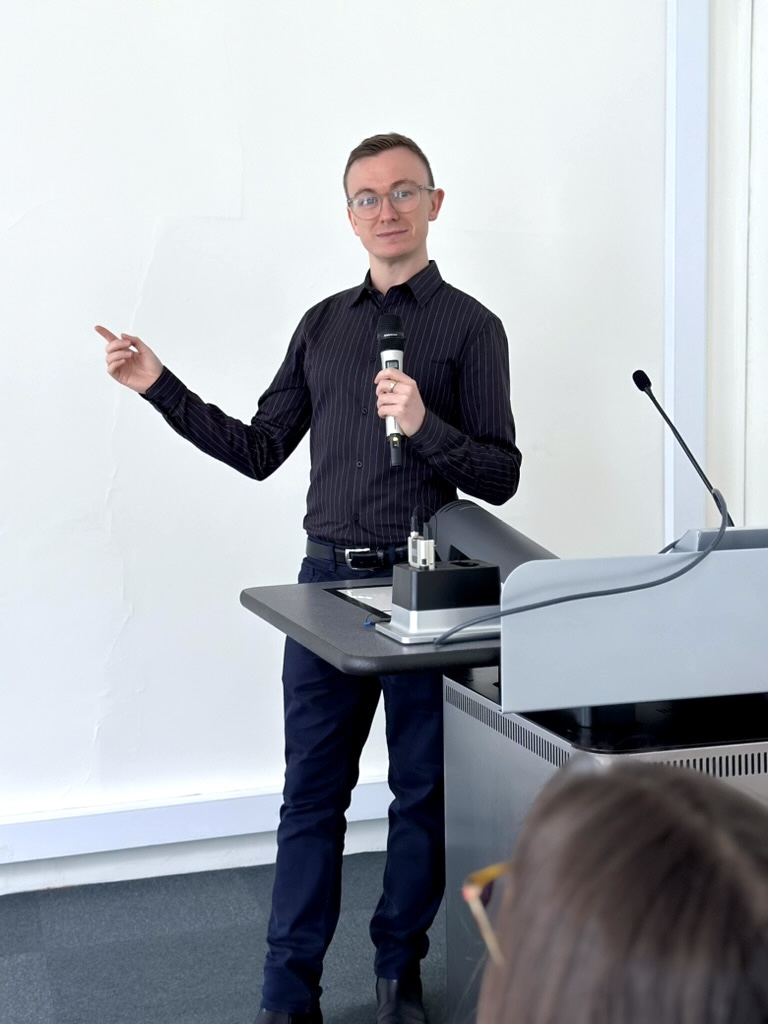
Taught by someone who marks the work
University writing is a different discipline from school writing, and many students are never explicitly taught the conventions that their markers expect. The result is capable students producing work that falls short of its potential because the writing lacks precision, the argument lacks structure, or the referencing lacks consistency. My role is to close that gap.
As a university lecturer, I mark undergraduate and postgraduate work regularly. I understand the marking criteria used across the Humanities and Social Sciences, and I know where students most commonly lose marks. The most frequent problems are not a lack of knowledge but a lack of clarity in argument, poor paragraph discipline, and an inability to integrate secondary scholarship effectively. These are teachable skills, and I teach them directly.
For undergraduate students, I provide support with essay planning, structure, and academic style. I teach pupils how to construct a clear thesis, how to organise an argument across multiple paragraphs, how to introduce and evaluate secondary sources, and how to write conclusions that do more than summarise. I also cover referencing conventions, including Harvard, MHRA, and Chicago, and the academic integrity requirements that universities increasingly enforce.
For postgraduate students and those working on dissertations, I offer guidance on research design, methodology, literature reviews, and the sustained development of an argument across a longer piece of work. My own doctoral research has required me to navigate these challenges first-hand, and I share the practical strategies that have worked for me.
I also support students who are struggling with the transition to university-level study. The jump from A-Level to first-year university work is significant, and students who thrived at school sometimes find themselves underperforming because they have not yet learned how to work independently, manage their reading, or write at the expected standard. I provide the scaffolding that helps them adapt.