English Literature
& Language Tuition

I teach English as a living subject. Whether a pupil is learning to construct a paragraph for the first time or preparing a comparative essay on the Romantics, my focus is on building the analytical precision and expressive confidence that strong written English demands.

📖
KS2 to University
📝
All Major Exam Boards
💻
Online & In Person

Reading with purpose, writing with authority

English is the subject that underpins all others. The ability to read closely, interpret meaning, and express ideas with clarity is fundamental to success across the curriculum and beyond it. That is why I treat English tuition not as a matter of learning set texts, but as the development of transferable skills in reasoning, argumentation, and communication.

At GCSE, pupils are expected to analyse unseen texts, compare writers' methods, and produce sustained, structured responses under timed conditions. At A-Level, the demands increase further: candidates must engage with critical theory, demonstrate independent reading, and write with academic precision. I prepare pupils for these challenges by working through genuine exam materials, modelling effective responses, and building the habits of close reading that examiners reward.

For younger pupils at KS2 and KS3, the emphasis is on foundations. I work on reading comprehension, vocabulary development, spelling and grammar, and the mechanics of paragraphing and sentence construction. The aim is to ensure that by the time a pupil reaches GCSE, they already have the fluency and confidence to engage with more demanding material.

Creative writing receives the same attention as analytical work. I teach pupils how to control tone, structure narrative, and deploy literary techniques with intention rather than accident. For pupils preparing personal statements or UCAS applications, I provide guidance on tone, content, and the conventions that admissions teams expect.

KS2KS3GCSEA-LevelUniversity
AQAEdexcelOCRWJECCIE
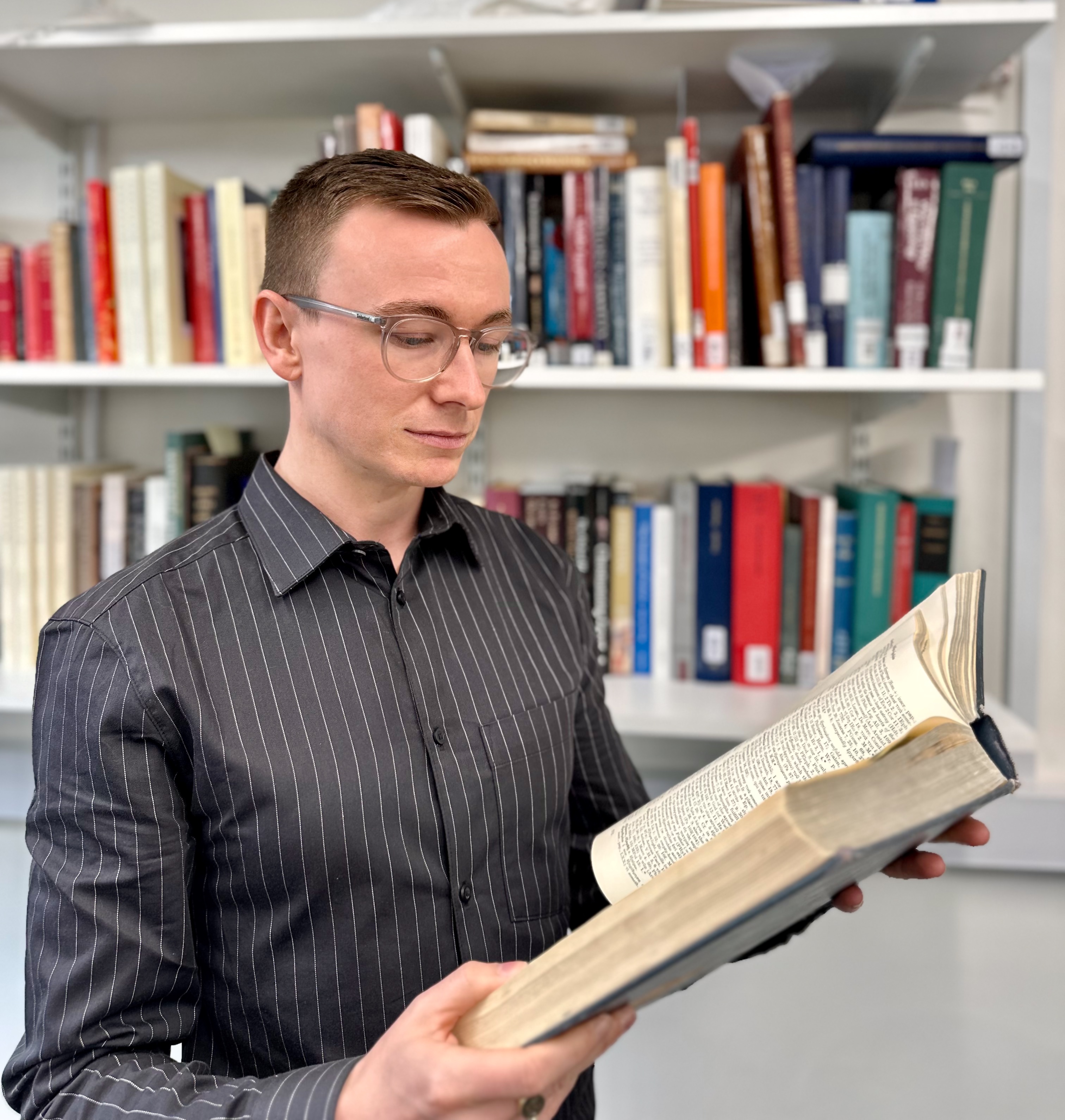
Jordan reading in university library
Key topics and skills
Each area is taught with the same depth and attention to the pupil's specific level, goals, and examination requirements.

Close Reading & Analysis

Developing the skill of extracting meaning from prose and poetry, identifying technique, and articulating a critical response with supporting evidence.

Essay Writing & Structure

Constructing coherent, well-argued essays with clear thesis statements, paragraph discipline, and effective use of quotation and reference.

Shakespeare & Set Texts

Detailed study of prescribed texts across all exam boards, with attention to context, characterisation, theme, and the examiners' marking criteria.

Creative Writing

Narrative, descriptive, and persuasive writing with emphasis on voice, control, and the deliberate use of literary techniques.

Language Analysis

Understanding how writers use language for effect in non-fiction and fiction, including rhetoric, bias, and persuasive strategy.

Spelling, Grammar & Punctuation

Building accuracy and fluency in written English from first principles, suitable for early learners through to those preparing for examinations.

★ ★ ★ ★ ★
"I cannot recommend Jordan enough. My daughter has always been a keen reader, but when it came to the analytical side of the English Literature GCSE, she hit a real brick wall. Jordan changed everything. He taught her how to build an argument from the ground up. She went from a predicted Grade 5 to a Grade 9 in her January mocks."
Claire HigginsParent — GCSE English Literature
★ ★ ★ ★ ★
"I was really struggling with the transition from GCSE to A-Level English. Jordan's depth of knowledge, especially regarding critical theory and feminist readings, was incredible. He is always so encouraging and never made me feel out of my depth."
Leo ThompsonYear 13 — A-Level English
★ ★ ★ ★ ★
"Jordan has a gift for making Shakespeare accessible. My son went from dreading English to quoting Macbeth at the dinner table! Jordan is always smiling and his can-do approach is exactly what a teenager needs."
Mrs. Anjali PatelParent — Year 9, KS3 English
How I teach
this subject

Exam-board specificity

Every session is aligned to the requirements of the pupil's specific exam board. I teach to the mark scheme, not around it.

Modelling before practice

I demonstrate what a strong response looks like before asking a pupil to produce one. Pupils learn to identify quality before replicating it.

Building a critical vocabulary

Pupils are taught the precise terminology needed to discuss literary technique, narrative method, and linguistic effect with confidence.

Regular written practice

There is no substitute for writing. Pupils produce written work frequently, and I provide detailed, constructive feedback on every piece.

Student studying at desk
You may also be interested in

Free Academic Writing Guide

A practical, research-informed guide covering essay structure, referencing, and argument construction. No email required.

100% Free Download PDF
Book your free consultation
Send me a message and I will respond within 24 hours. Initial consultations are free and carry no obligation.